If you've raised monarchs, you already have a strong foundation in butterfly rearing — but there are subtle, sometimes surprising differences when it comes to swallowtails.
My adventure in raising butterflies for release began with swallowtails, as mentioned on my Monarch Magic page. Black Swallowtails and the larger yellow Eastern Tiger swallowtails typically appear in the Midwest ahead of monarchs—usually around May. Because of this, I often raise and release about a dozen before shifting my focus to monarchs. In my garden, it is the black swallowtail that visits most frequently and lays eggs.

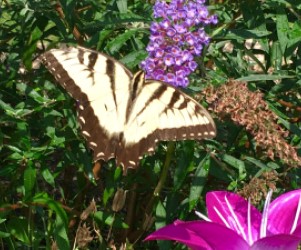
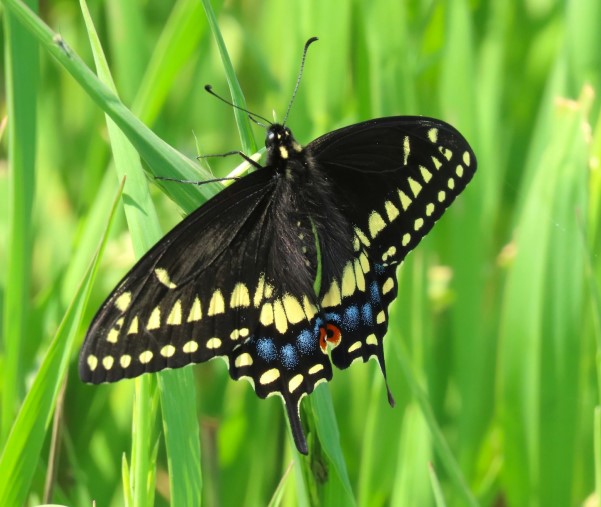
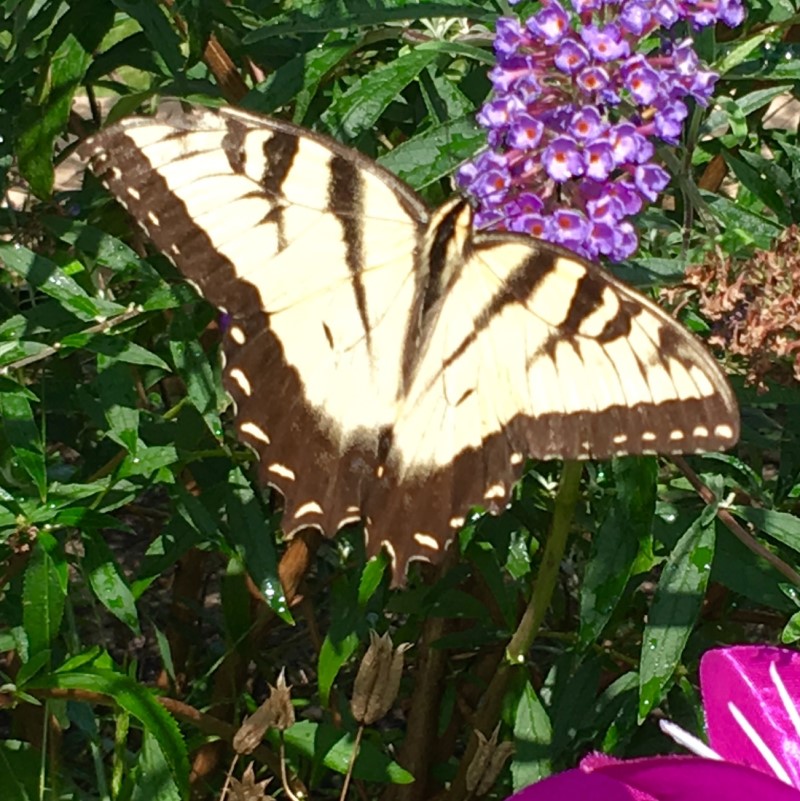
There are two types of Swallowtails commonly seen in the Midwest: black swallowtails and the larger yellow Eastern Tiger swallowtails. In my garden, it is the black swallowtail that visits most frequently and lays eggs.
Life Cycle: The life cycle of Swallowtails is similar to that of other butterflies. They begin as small caterpillars, then enter a chrysalis stage, and finally emerge as adult butterflies. Unlike Monarchs, Swallowtails do not migrate. Instead, they spend the summer pollinating flowers and mating until their life cycle concludes. They do, however, have the ability to overwinter in their chrysalis. During the winter, the chrysalis enters a dormant stage until the following spring — provided it remains outdoors in the cold.
Host Plants: Black swallowtails do not depend on milkweed. Instead, they lay their eggs on plants such as parsley, dill, fennel, and occasionally carrots. These delicate plants are consumed quickly by the caterpillars, so maintaining a steady supply is important. Store-bought options can work in a pinch, but be sure they are free from any potentially harmful sprays. It’s also important to keep the stems or branches fresh and alive to provide a reliable food source.
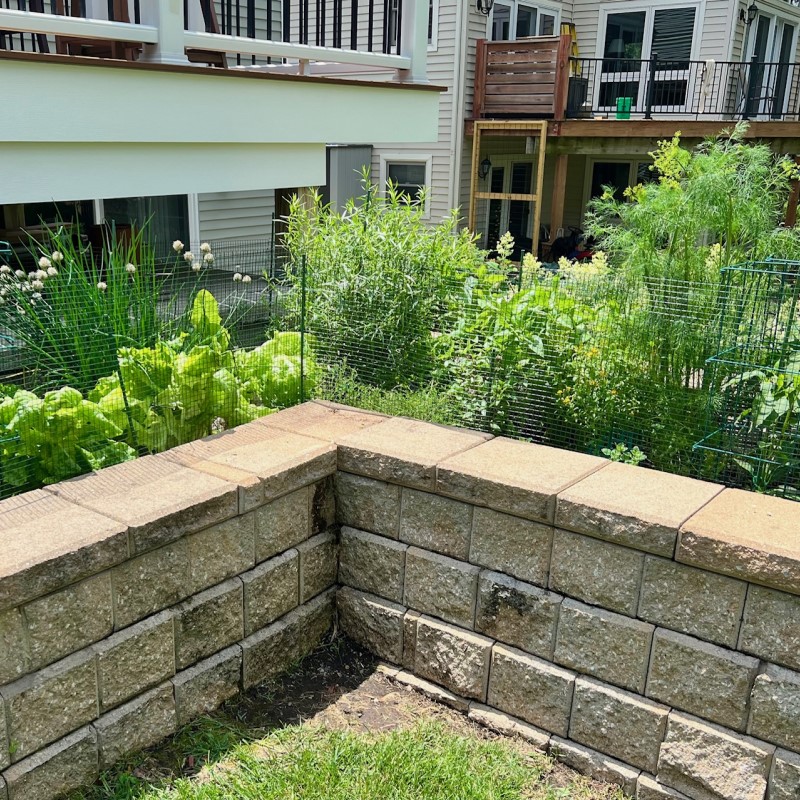
My garden typically includes a large area of parsley, dill, and fennel, providing plenty of options for these occasional visitors.
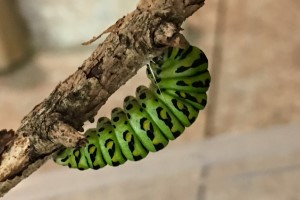

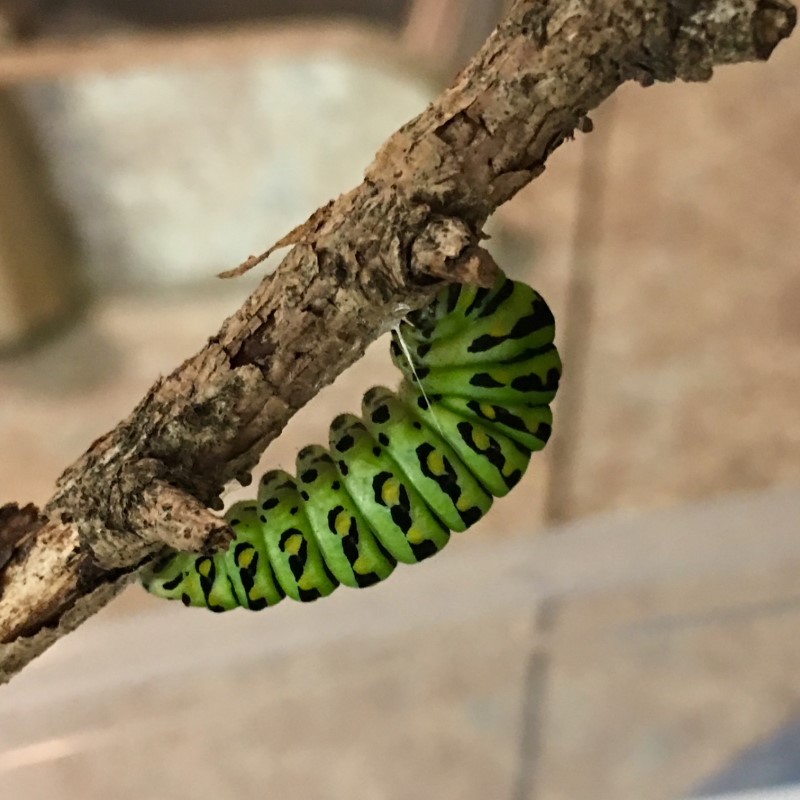
The Black Swallowtail has a stage similar to the Monarch’s J pose. However, instead of hanging in a “J” shape, they usually climb the enclosure walls or sticks provided. They create an arch with their bodies and attach themselves by both their heads and back ends.
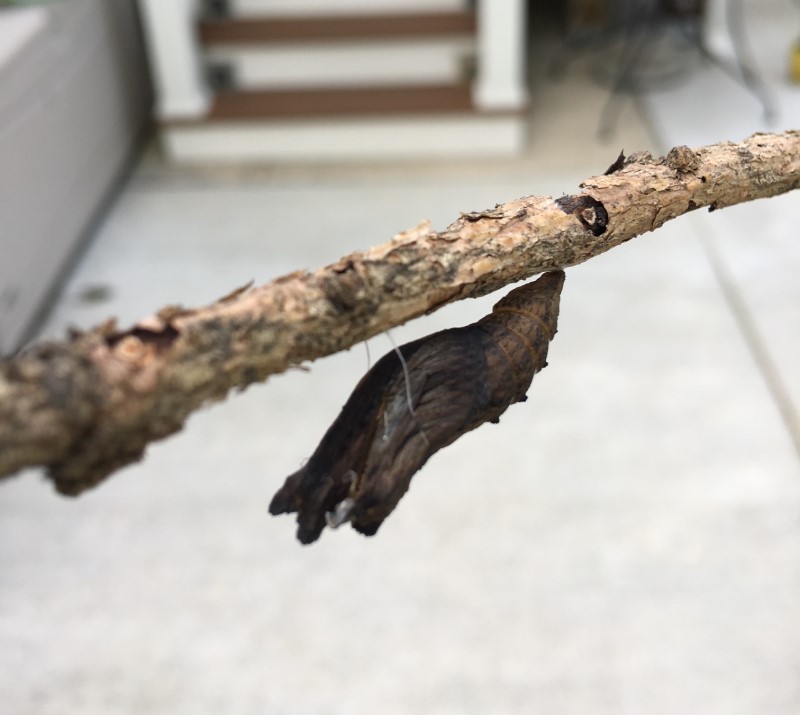
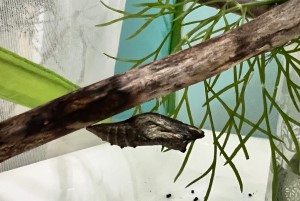
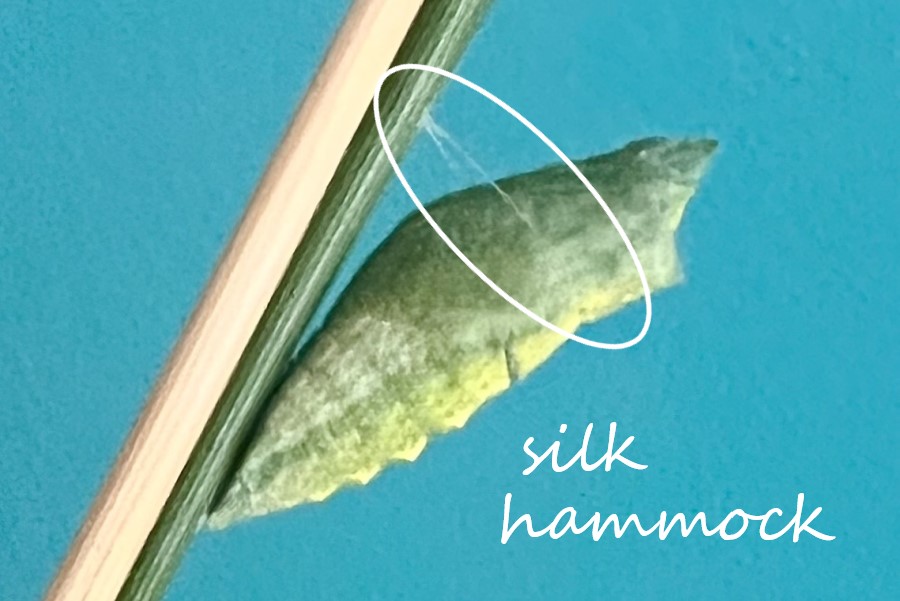
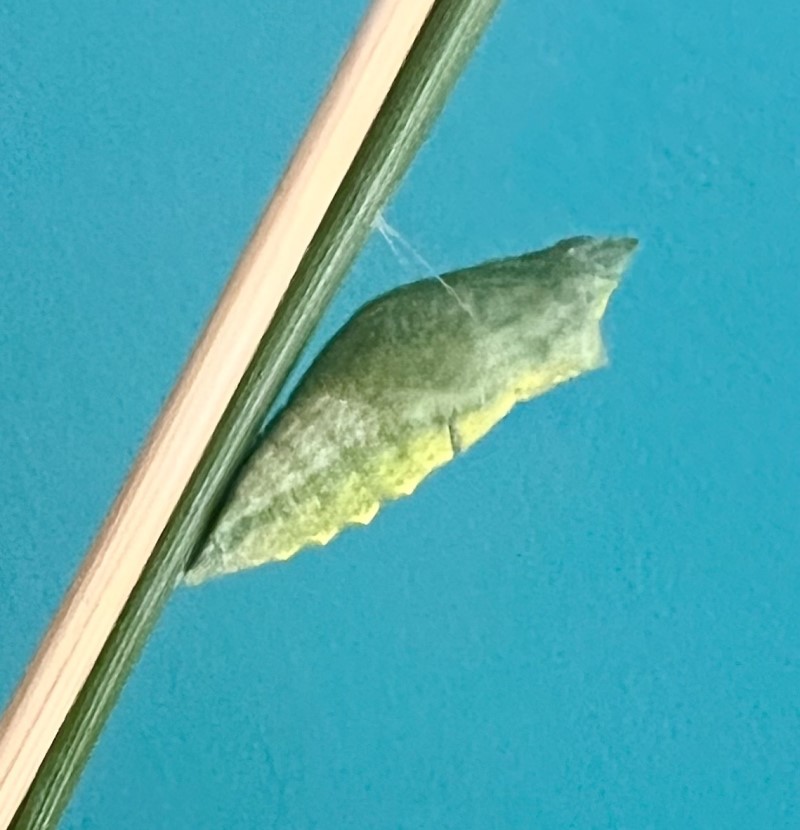
Black Swallowtail chrysalides use silk threads to attach themselves, forming hammock-like structures. They can mimic the color of whatever they are attached to in order to avoid predators, often resembling green leaves or brown twigs. The chrysalis stage lasts 10–15 days.
I do not relocate chrysalides... it's best not to touch them because their shells are softer than a Monarch’s. However, if I can move the entire stick with them attached, that's fine.
I have had one or two caterpillars attach themselves to a parsley stem in order to chrysalis. This was going to become a problem because the stem would eventually wilt and die, putting the chrysalis in danger.In this situation, I took a wooden skewer and carefully twisted wire around both the stem and the stick. This way, even if the stem dies, it would remain upright and continue supporting the chrysalis.
TINY DANCER:
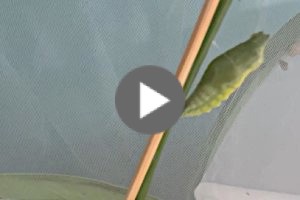
I have witnessed some interesting activity while these swallowtails are inside their chrysalises. If something disturbs them — such as me cleaning the enclosure
or accidentally bumping it — they begin doing a strange little dance while hanging. Researching this behavior, I learned that it is another defensive mechanism. If they feel threatened, the movement may help to startle or discourage a predator.
Play video in gallery above.
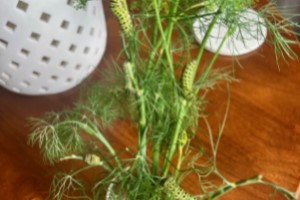
Once I start seeing swallowtails flitting around the parsley, dill, and fennel, I begin checking these plants at least twice a week.
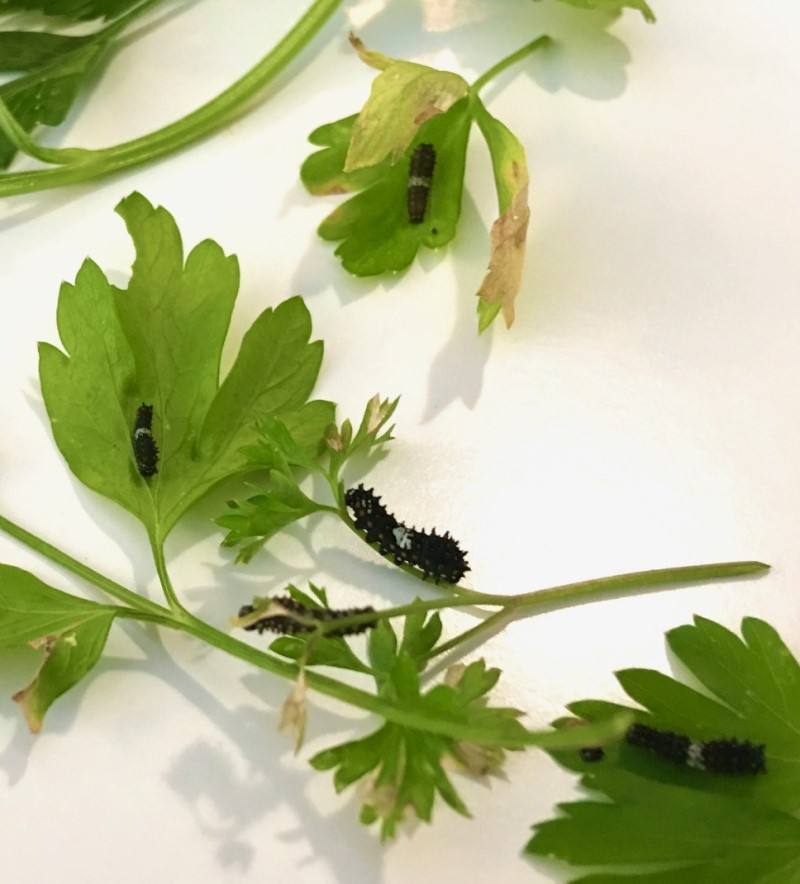
Black swallowtail caterpillars begin as tiny eggs on the leaves, though I have never managed to spot them at this stage. Unlike the easily identifiable eggs found on the underside of a milkweed leaf, swallowtail eggs on parsley, dill, and fennel are much harder to detect. But once they hatch, they become much easier to find. They appear as small black dots, and if you find one, there are usually several more nearby.
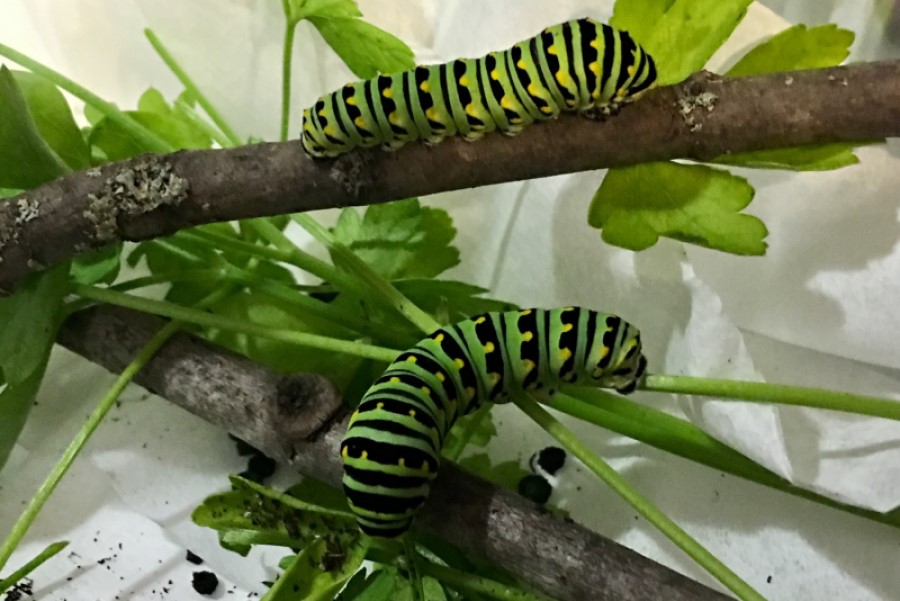
At first, swallowtail caterpillars are mostly black. But as they grow, more vibrant details begin to emerge. I actually find them more striking than monarch caterpillars… bold green and black stripes, accented with a beautiful pattern of yellow dots along the dark bands.
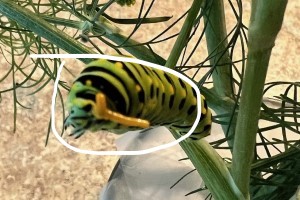
Swallowtails also have a unique defensive mechanism. When threatened or disturbed, the caterpillar extends bright yellow, forked tentacles from its head - an unexpected display! These tentacles can release a foul odor to deter predators. Once the threat passes, they retract them.
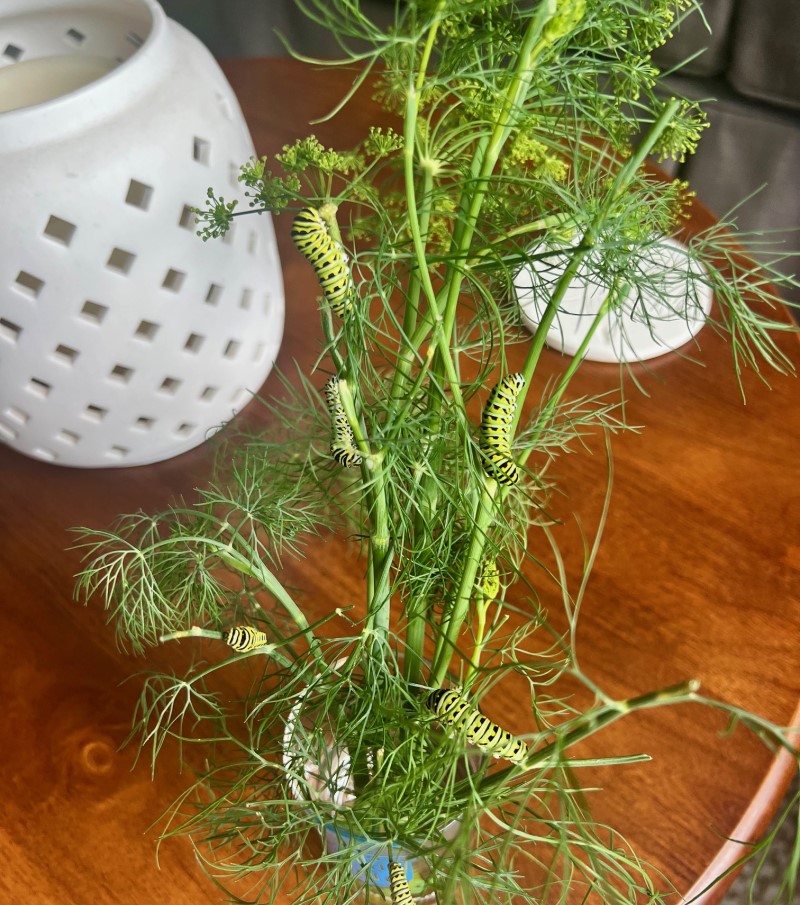
These caterpillars can consume a surprising amount of parsley, dill, or fennel. Florists’ tubes help keep cut stems fresh for several days. When a stem begins to wilt, I remove it and replace it with a fresh one...always checking first to make sure no caterpillars are still on it. If there are, I gently encourage them to move to a healthier branch before removing the old stem. A small step, but an important one.
It’s also essential to clean the enclosure daily, removing droppings to keep the environment healthy.
They remain in the caterpillar stage for about three to four weeks, moving steadily through their growth phases. During this time, it’s still important to keep their enclosure near a window so they can experience the natural rhythm of light and day.
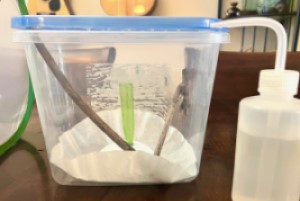
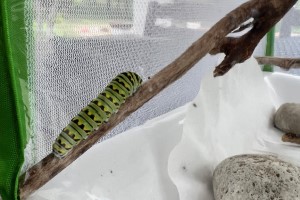
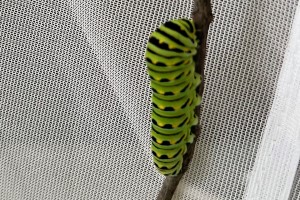
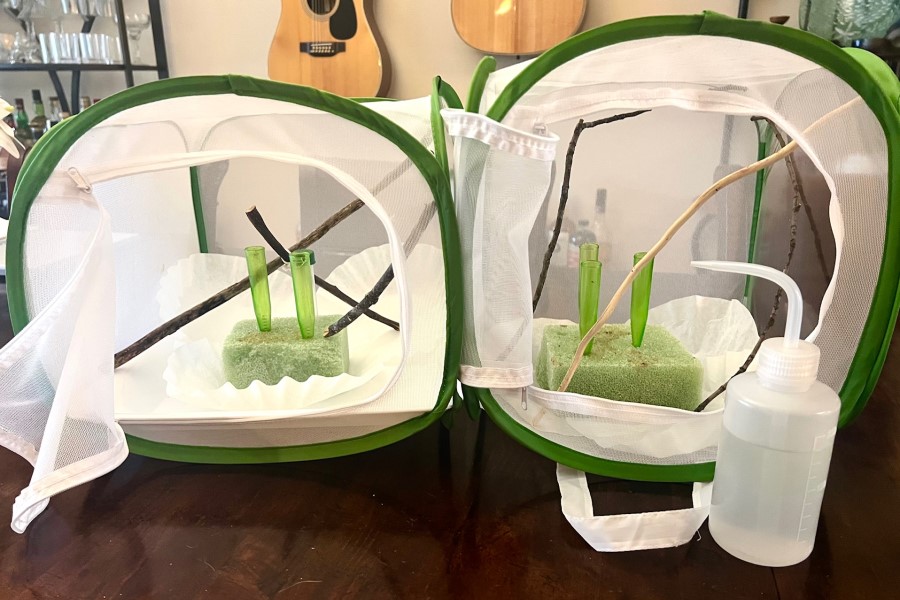
The setup for raising black swallowtails is a bit different from what I use for monarchs. I don’t usually start them out in the short plastic nursery containers where milkweed leaves lie flat on the bottom—though I have used these temporarily when needed. In general, it’s difficult to keep the food source upright in those containers, and newly emerged caterpillars can have trouble gripping the smooth plastic surface.
Instead, I prefer taller containers. I use plastic florist tubes filled with water, secured in foam, to hold stems and branches of dill or parsley upright. A smaller netted enclosure also works well, as it allows the plants to remain standing while keeping the caterpillars right where they naturally feed—on the stems and leaves. A small squirt bottle filled with water is helpful for refilling the tubes without disturbing the setup.
I also place (cleaned) sticks from my yard inside the enclosure, either propped or lightly secured. These give the caterpillars something to climb when they are ready to form their chrysalis. Their chrysalis is different from a monarch’s, but just as fascinating. They may attach to the enclosure walls, the sticks, or sometimes even a plant stem.
As with monarchs, I continue to use coffee filters on the bottom of the enclosure to catch droppings. This makes cleanup easier - I can simply remove the soiled filters and slide clean ones underneath the foam that holds the florist tubes and plants.
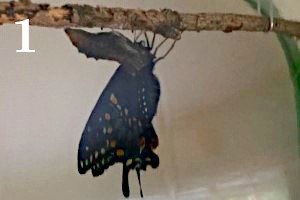

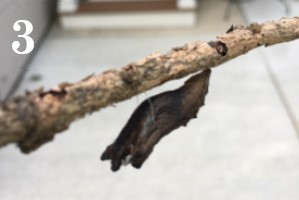

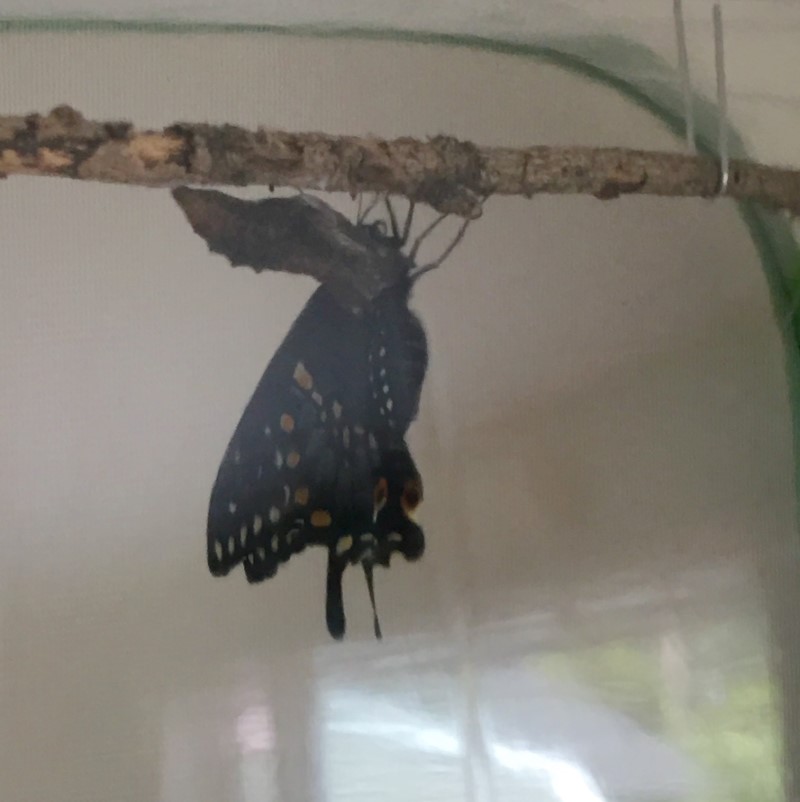
1 Once the chrysalis is ready, the butterfly will begin sliding and pulling itself out through the opening at the top, where the head area was located. After emerging, it immediately grabs onto something nearby so it can hang safely.
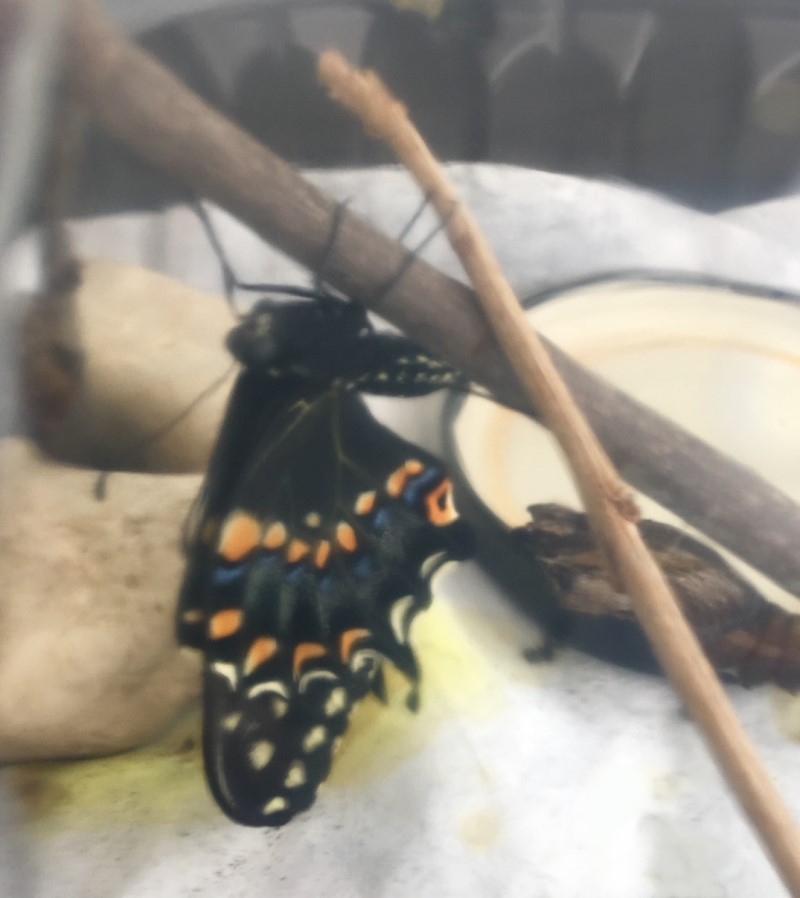
2 Like all butterflies, they appear wet and crumpled at first. As they hang, they begin pumping fluid into their wings, slowly expanding and strengthening them. Over the next several hours, the wings gradually flatten and dry into their full shape. When their wings are fully ready, they will begin moving around the enclosure more actively. I usually wait about 8–10 hours before releasing them to make sure their wings are completely prepared for flight.
3 One interesting thing is that even after the butterfly has emerged, both the chrysalis and its silk “hammock” remain nearly intact.
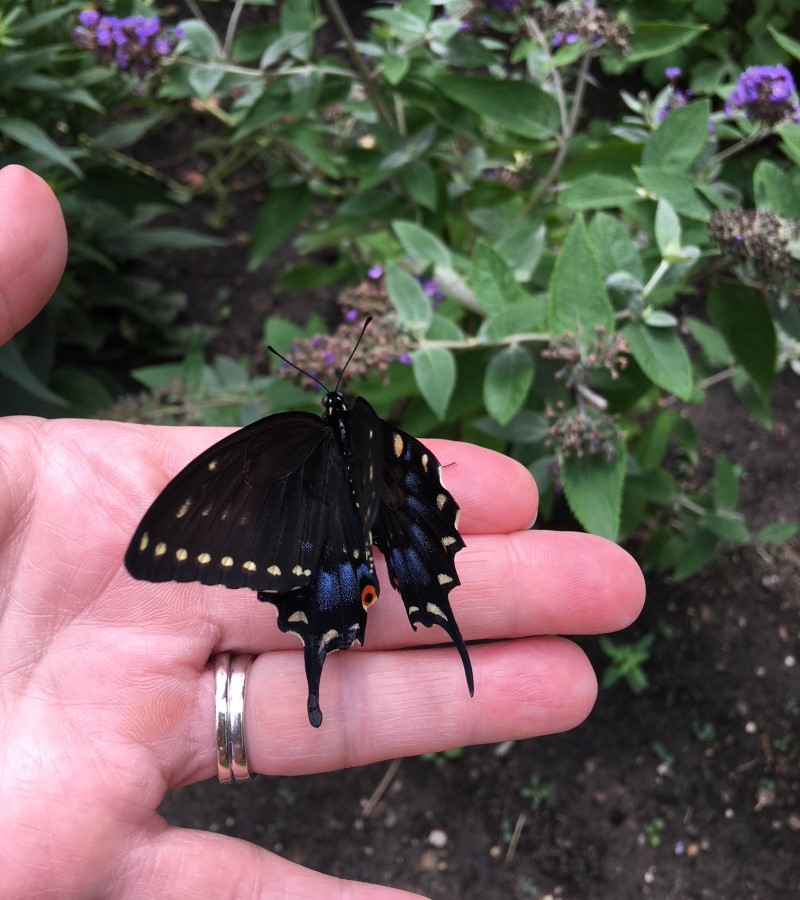
Once the butterfly is ready for release, I simply open the enclosure and allow it to leave on its own. Occasionally, I will carefully and gently reach inside to help remove one without disturbing the others.
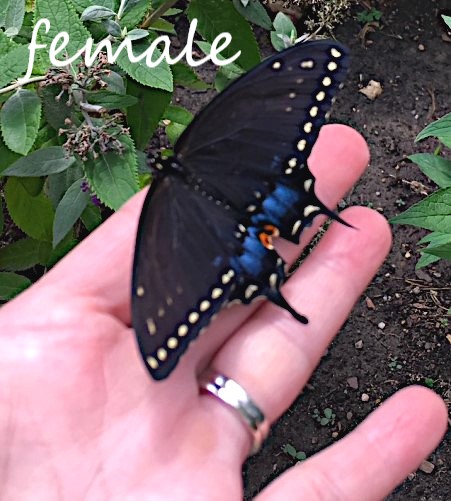
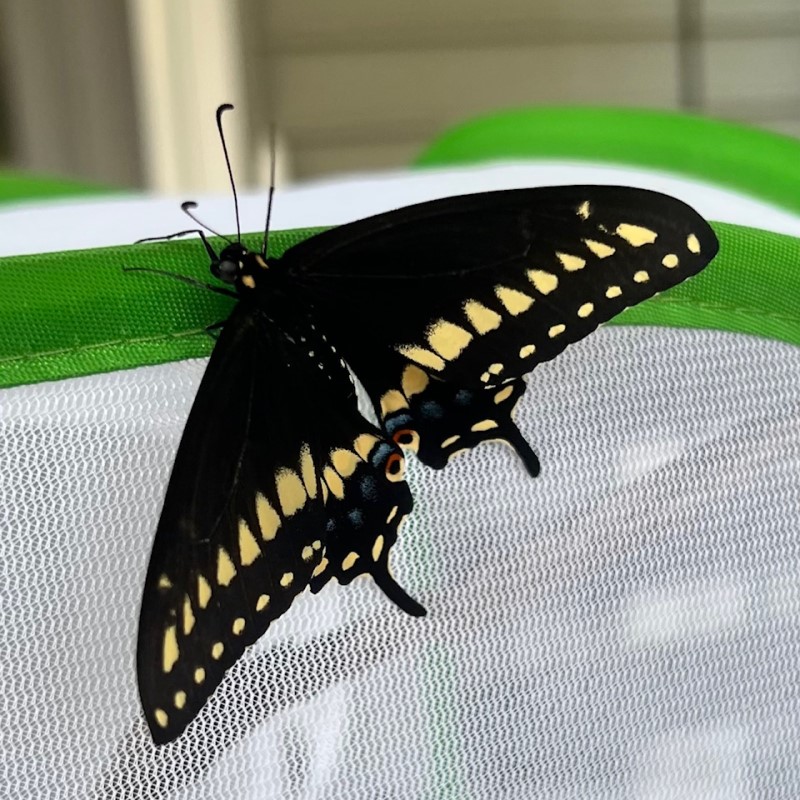
Female Black Swallowtail: prominent, bright blue band with reduced yellow.
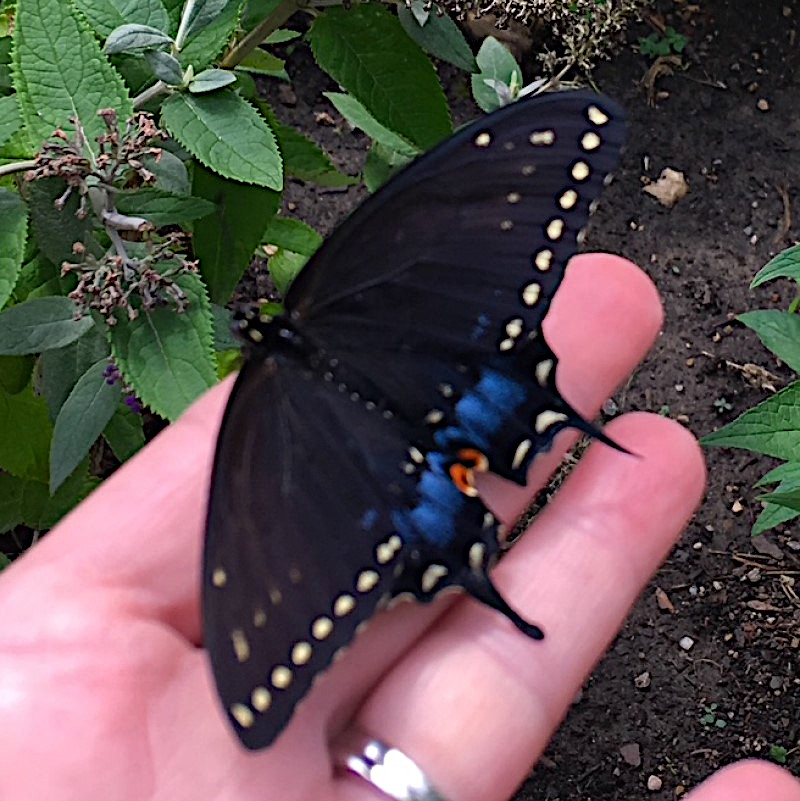
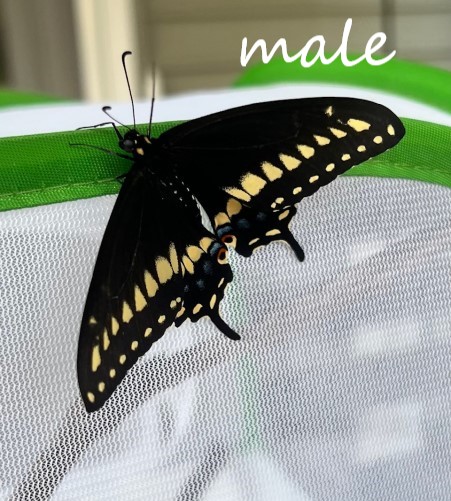
Male Black Swallowtail: thicker, more vibrant yellow spots with less blue.
A variety of parsley, dill, and fennel for my swallowtail visitors.
Eastern Tiger Swallowtail
Different setup for a different food source.
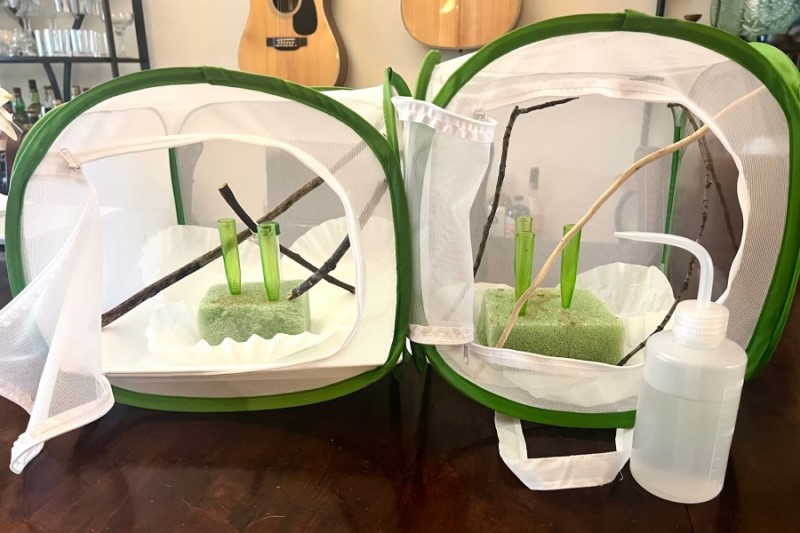
Taller containers than the monarch nurseries.
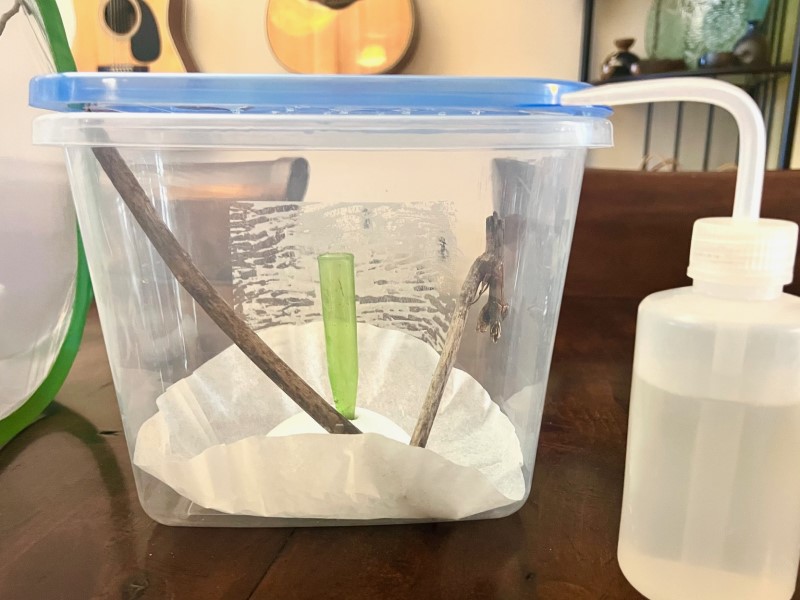
Lightly secured sticks for climbing.
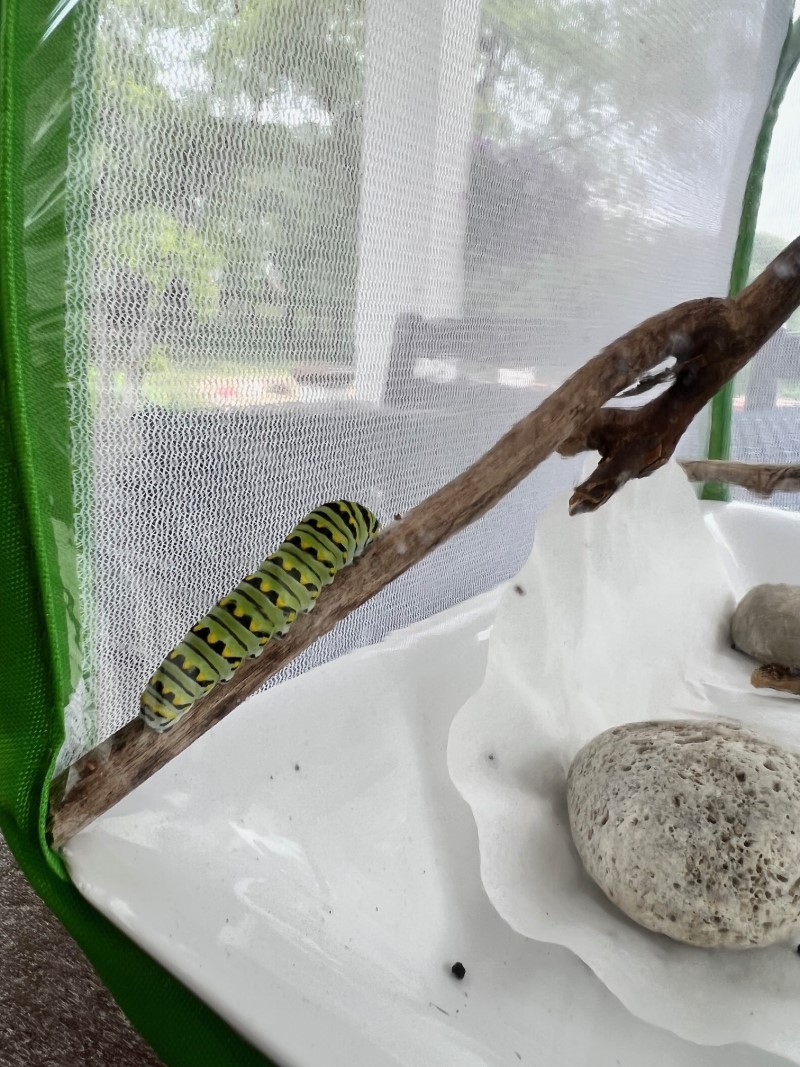
Swallowtail caterpillar close to chrysalis stage.
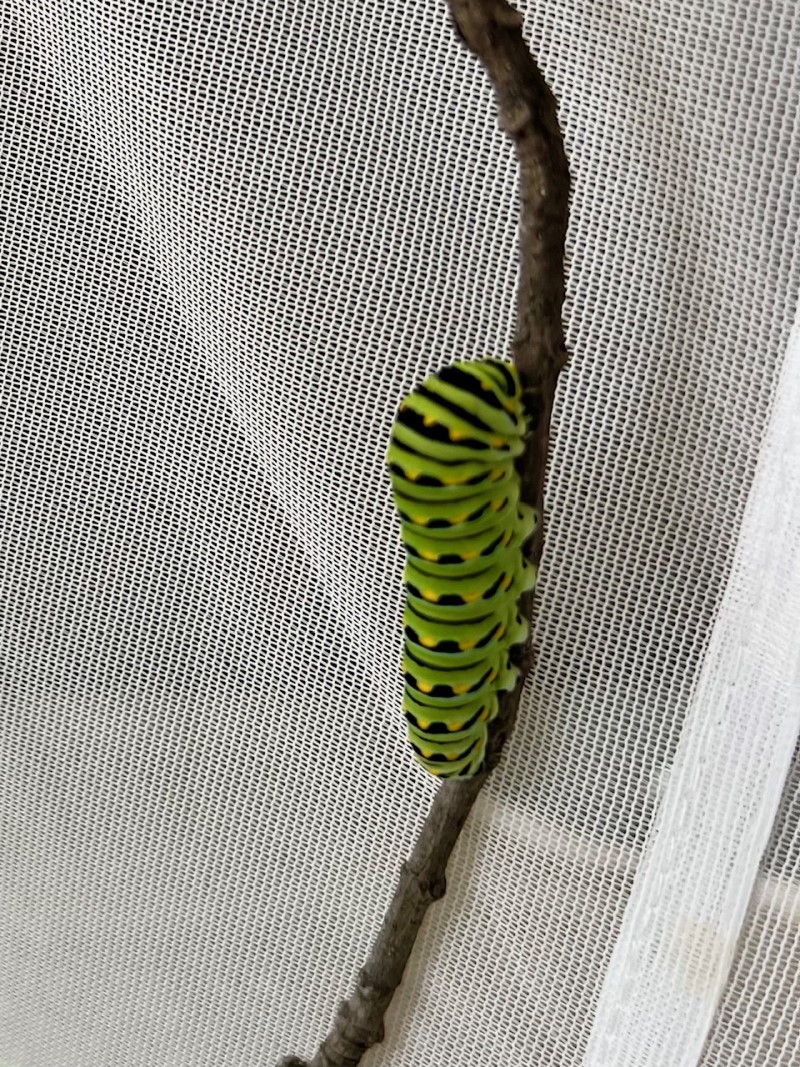
The beautiful decorative pattern of swallowtail cats.
Swallowtail caterpillars appear mostly black in the beginning.
A defensive mechanism unique to the swallowtail cat.
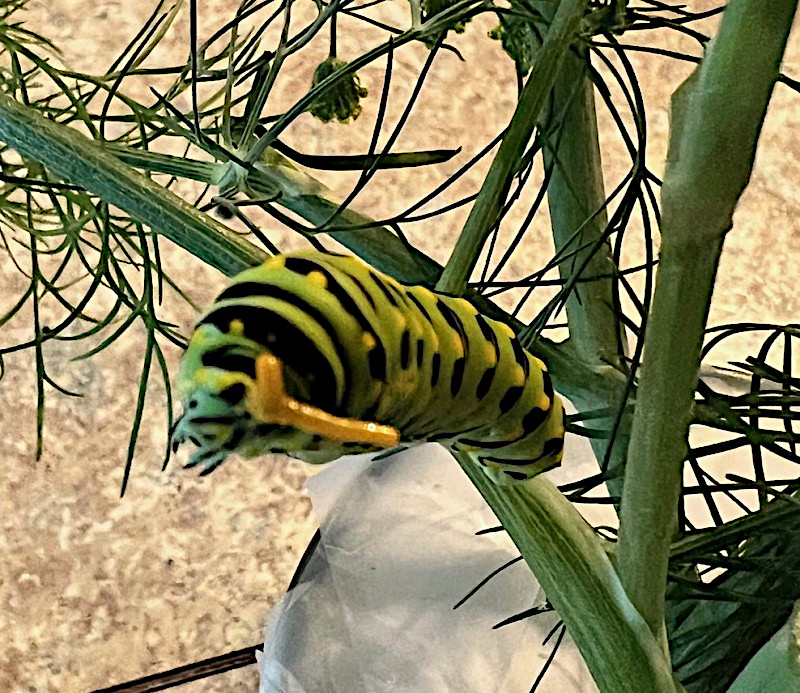
Swallowtail caterpillars consume a surprising amount of parsley, dill, or fennel
Swallowtail chrysalis in its silk thread hammock-like support.
Unlike monarchs, swallowtail caterpillars attach themselves by head and back ends.
The swallowtail chrysalis can mimic the color of whatever it is attached to.
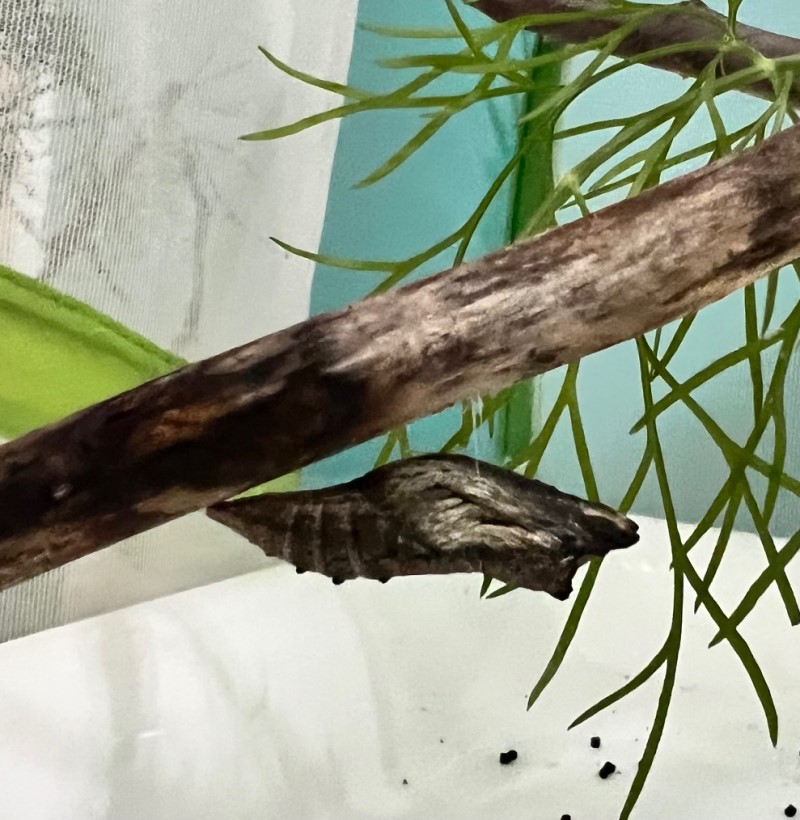
A gentle release.
Emerging through an opening where the head had been located.
Pumping fluid into the wings to expand and strengthen them.
The swallowtail's chrysalis and silk “hammock” remain nearly intact.